Situation
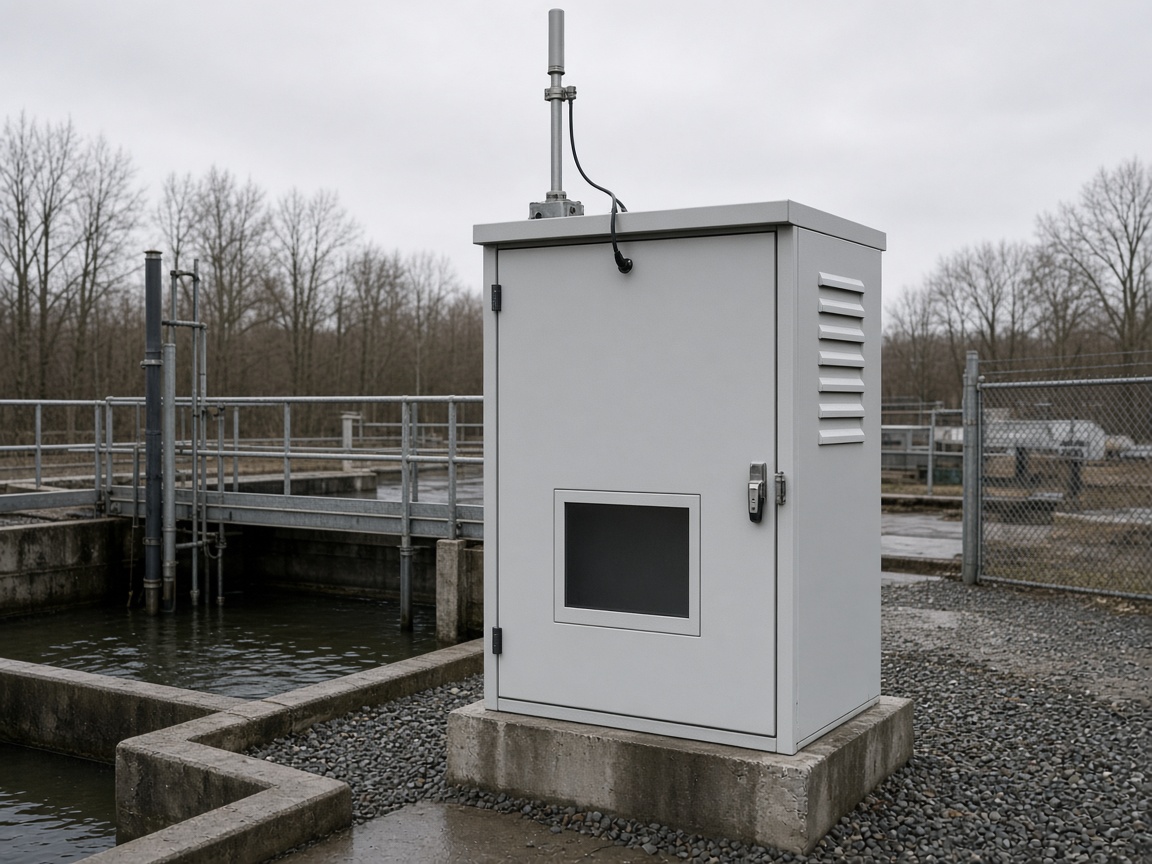
An industrial park consolidated wastewater monitoring from ageing RTUs into a modern SCADA platform. Environmental reporting required continuous flow and level trends; regulators would not accept gaps during migration. Multiple lift stations and a small treatment skid had overlapping tag naming from three prior integrators.
Problems encountered
- Historian export formats differed between old and new systems; units were inconsistent on shared tags.
- Radio links to remote pits dropped during storms, masking true level alarms.
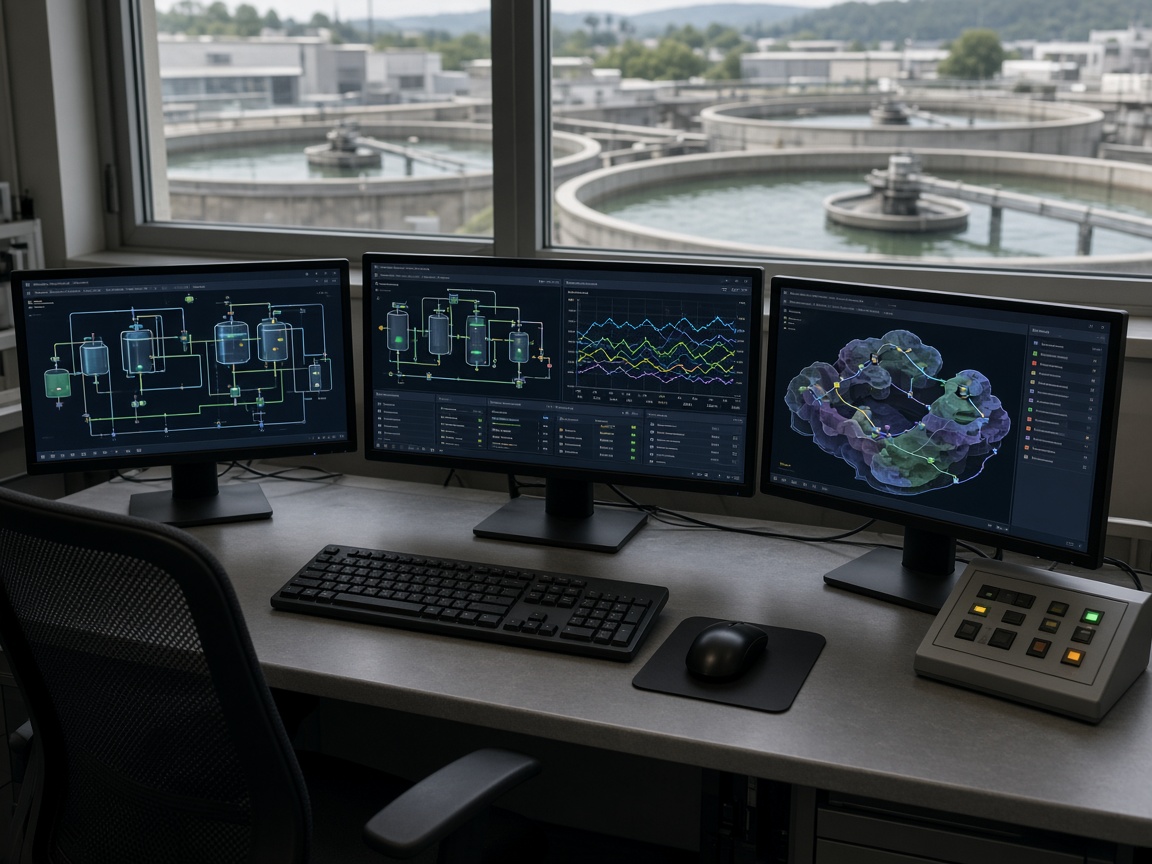
- Operator graphics showed pumps as on/off without run-hour or fault context.
- No documented failover if the primary SCADA server failed during business hours.
Engineering response
TECHNLOGIX PTY LTD built a tag dictionary with engineering units, scan rates, and alarm priorities before any graphics work. Parallel polling ran for two weeks while we validated historian samples against manual dip readings. We implemented comms quality counters and stale-data alarms so operators distinguish link loss from low level.
Cutover used a maintenance window with read-only legacy historian retained for audit lookup of pre-migration intervals.
Outcomes
Reporting submissions used one historian source without manual spreadsheet stitching. Storm-related nuisance clears were easier to distinguish from real low levels once comms diagnostics appeared on overview screens. Maintenance received updated loop sheets tied to SCADA tag names.
Lessons for similar sites
Telemetry migrations fail quietly when tag semantics are assumed. Validate units and scaling on paper before trending matters to compliance.