Situation
A Victorian bakery operated a three-zone tunnel oven with independent gas burners and legacy standalone temperature controllers. Operators adjusted setpoints manually between shifts, and product colour varied enough that QA occasionally held batches. Management wanted zone profiles tied to recipes in the plant SCADA without replacing the entire oven in one capital cycle.
Problems encountered
- Zone controllers did not log setpoint changes or alarm history in a central system.
- Thermocouple drift caused slow zones to over-correct while fast zones lagged during ramp.
- Interlocks between exhaust fans and burner permissives were wired inconsistently across zones.
- Recipe data lived on paper cards; night shift overrides were invisible to engineering.
Engineering response
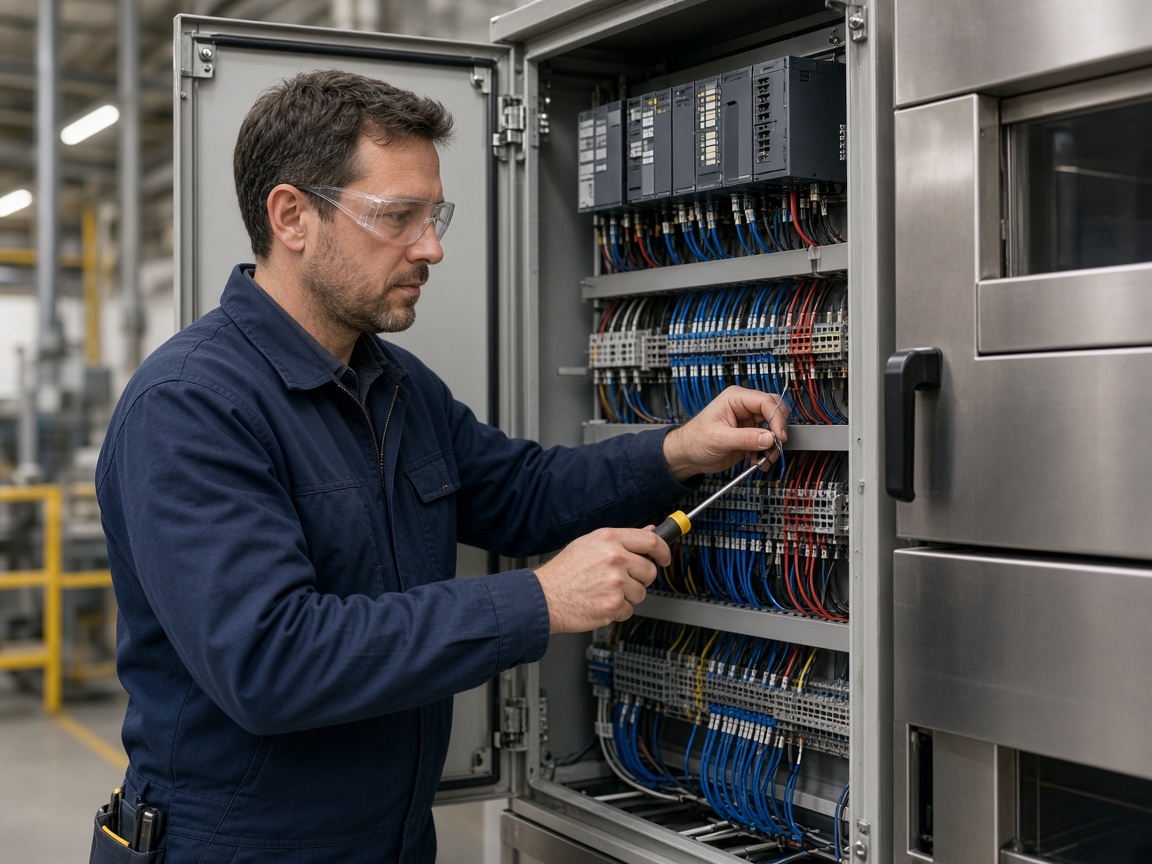
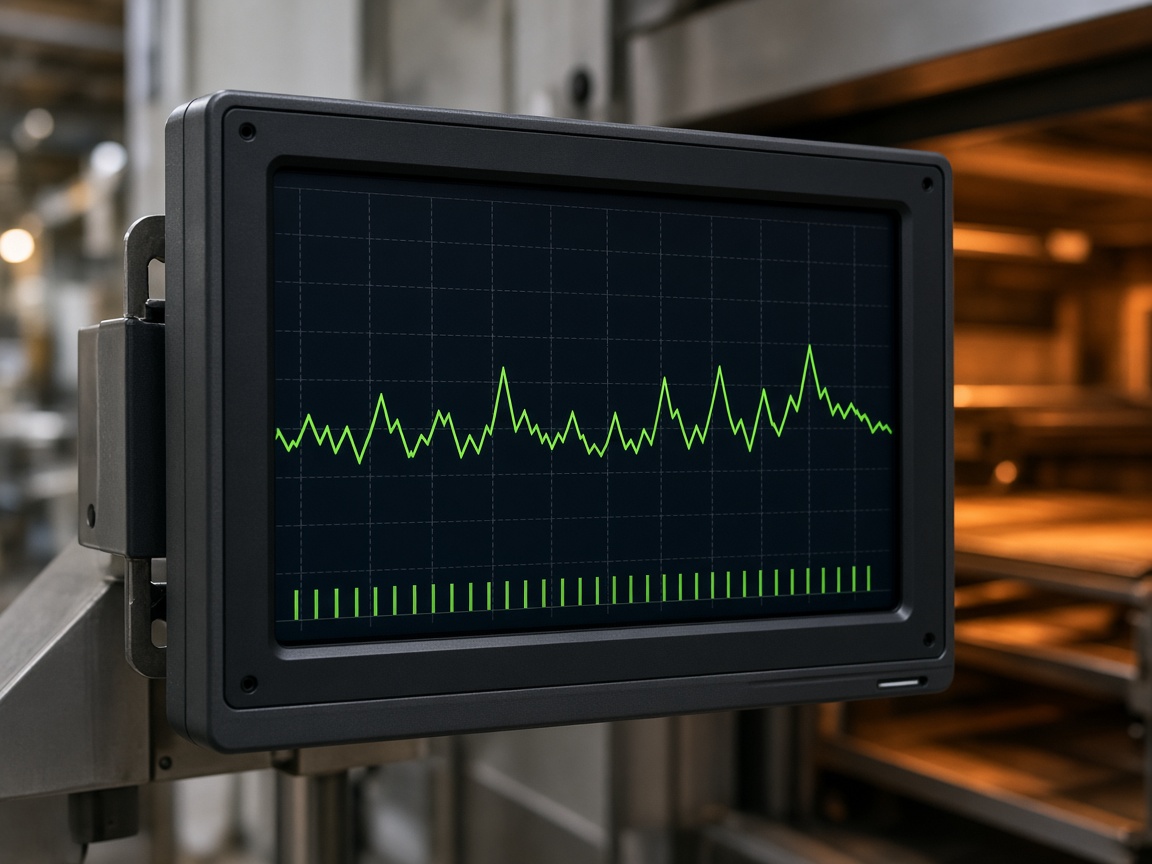
TECHNLOGIX PTY LTD installed a zone PLC supervising burner enable, fan permissives, and PID loops with anti-windup tuned against recorded production ramps. Thermocouples were mapped through verified scaling; out-of-range sensors faulted the zone rather than silently drifting. SCADA received live zone temperatures, setpoints, and recipe IDs with timestamped download events.
Commissioning used empty-oven heat-up profiles before product trials. We aligned alarm limits with QA hold criteria and trained operators on recipe selection versus manual trim limits.
Outcomes
Product colour variation across shifts became more consistent after recipes were standardised and trims were logged. Unplanned burner trips were less frequent once permissive logic was aligned across zones. Engineering can trace which recipe was active for a given historian interval, which helps with customer enquiries and internal audits.
Lessons for similar sites
Oven retrofits succeed when thermocouple health is baselined before tuning PID. Treat manual trim as a bounded override with logging, not an invisible second setpoint.